
We don’t solve humanity’s toughest problems
You do
We don’t solve humanity’s toughest problems

You do
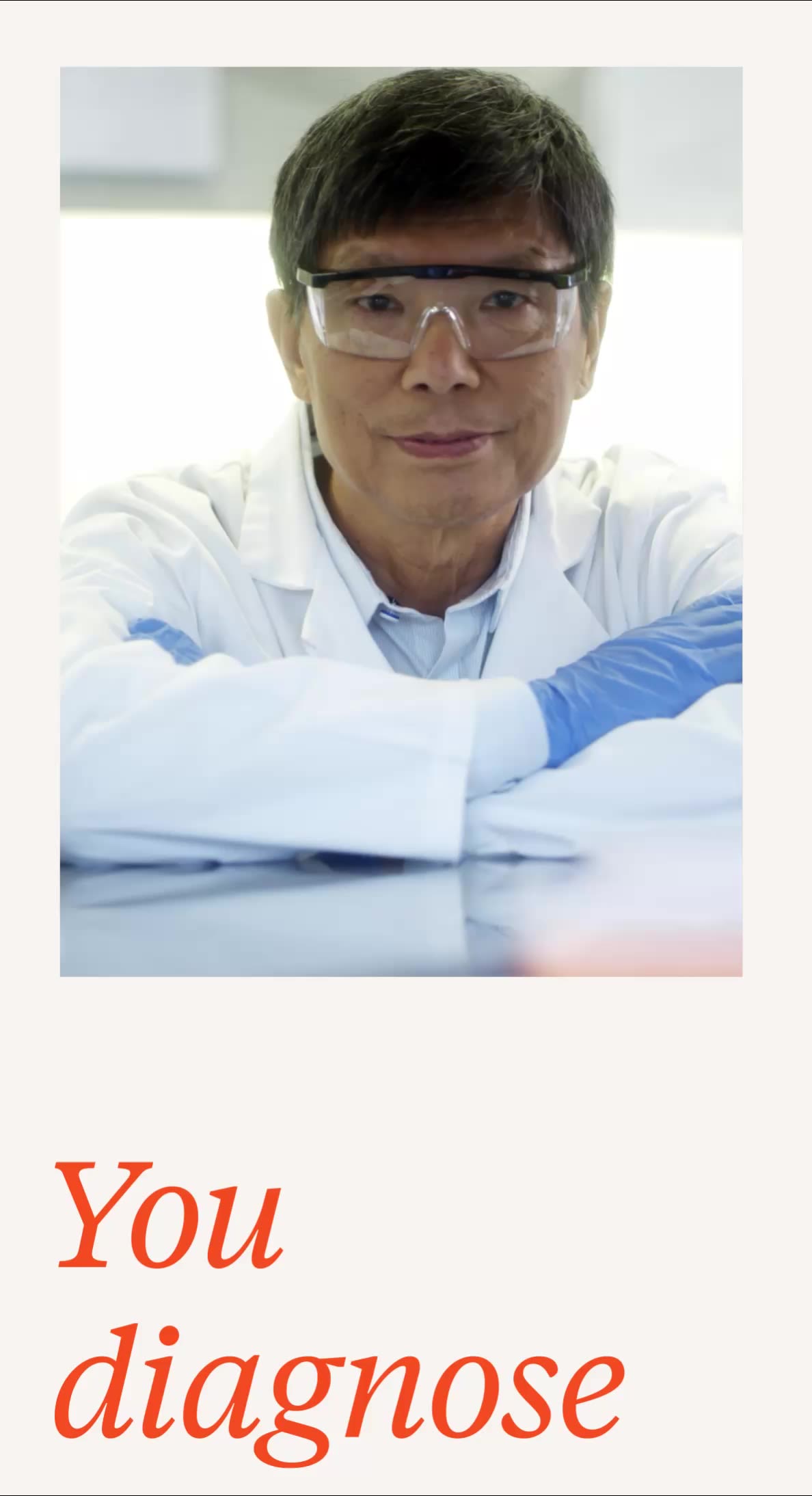
You diagnose
You discover
You make the call
Researchers, clinicians, educators and scientists use knowledge to advance human progress. Their judgment determines what to trust, what to question, and which actions to take.
We support that judgment by bringing together robust scientific and clinical evidence, AI designed to deliver traceable and well-evidenced answers, and expertise that helps ensure both meet the highest standards of rigor.
Together, that is our leading scientific knowledge base, precision AI and expert assessment. They provide the foundation for decisions, discovery and progress.
Leading scientific knowledge base
You do the diagnosis. We do the due diligence.
The confidence to take the next step in research and health starts with information that is high-quality, current, and comes only from trusted sources.
Elsevier brings together a vast body of scientific research and clinical reference content, built to help people find evidence that is current, relevant and traceable.
Our research knowledge base spans more than 107 million publication records, 2.6 billion citations and 23 million full-text, peer-reviewed articles and books, including content from Elsevier and more than 1,500 licensing partners. Alongside it sits Elsevier’s own extensive clinical reference content, which spans the journey from education to patient care. It includes multimedia content, tens-of-thousands of clinical overviews, drug monographs, guidelines and books.

Trusted knowledge in action
A six-year-old boy developed a limp so severe he could no longer play football or ride his bike. Extensive tests and scans failed to explain why.
ClinicalKey AI surfaced tuberculosis as a possibility, prompting further investigation that confirmed the diagnosis. Grounded in Elsevier’s medical evidence, it helped the clinical team see a possibility they had missed, while the doctors remained responsible for testing the evidence and making the call. That young boy is now back to running, jumping and playing.
What if AI could help restore the human touch in healthcare?
Elsevier’s leading scientific knowledge base
Research
107m+ publication records
2.6bn citations
23m+ full-text, peer-reviewed articles
Content from Elsevier and 1,500+ licensing partners
Health
2,500+ clinical overviews
2,400+ drug monographs
11,000+ guidelines
46,000+ books
Precision AI
You drive progress. We put the evidence at your command.
AI is most useful when it’s precise, designed for the tasks you’re solving, and surfaces the evidence to navigate to your own conclusions rather than jumping to its own.
Elsevier develops AI around the work of researchers, clinicians and scientists. It is grounded in domain-specific knowledge, designed for professional tasks and built to keep the supporting evidence visible.
That means people can explore more widely, make connections faster and still follow an answer back to its source before deciding what to do with it.
Our AI workspaces use AI agents to connect responses to supporting evidence and to evaluate output quality before presenting it to the user. These workspaces also use multiple trust markers that users told us they value most - such as human oversight, reasoning steps, citations, confidence levels and data privacy.
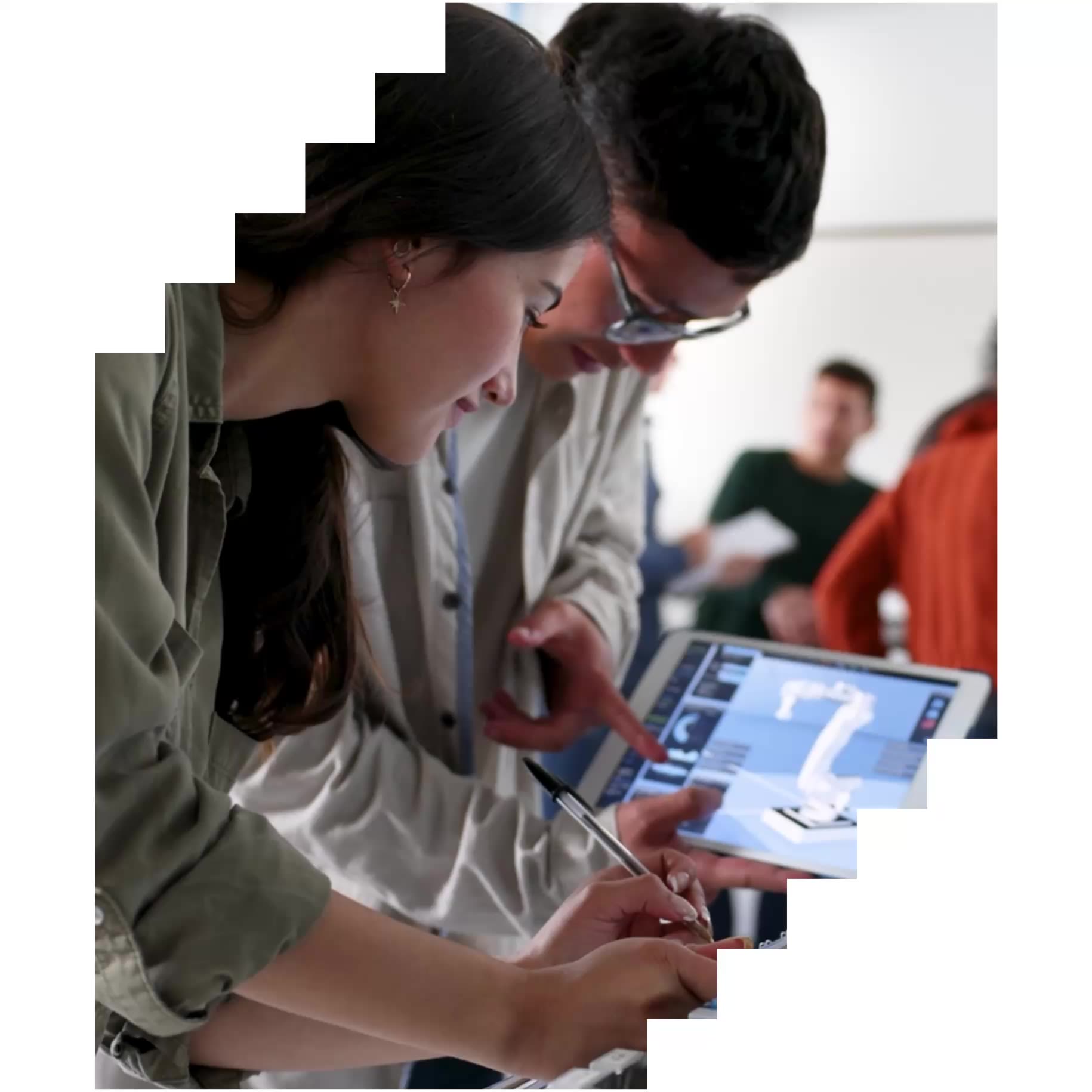
Precision AI in action
Professor Rolf Halden’s research team seeks new discoveries by combining insights from fields as diverse as environmental exposures and neurodegenerative disease. The evidence stretches across disciplines and decades.
Tools such as LeapSpace are designed to help researchers navigate that complexity: exploring trusted literature at scale while keeping insights connected to their sources. That makes it easier to follow promising connections while keeping sight of the evidence needed to judge whether they hold up.
What if the key to neurodegenerative disease lay outside the brain?
Grounded
in domain-specific knowledge
Traceable
sources with every answer
Private
customer data is never used to train AI models
Expert assessment
You make the call. We keep expertise close.
Scientists and clinicians need to know that the evidence and tools they rely on are guided by the judgment of leading researchers and practitioners in science and healthcare.
Elsevier works with a scientific and medical community that includes more than 1.9 million peer reviewers, 100,000 editorial board members and 37,000 editors, alongside leading medical societies and medical schools around the world to create, scrutinize and share the insights that its platforms draw from.
Experts are involved throughout platform development so that safety, traceability and human oversight are built in.
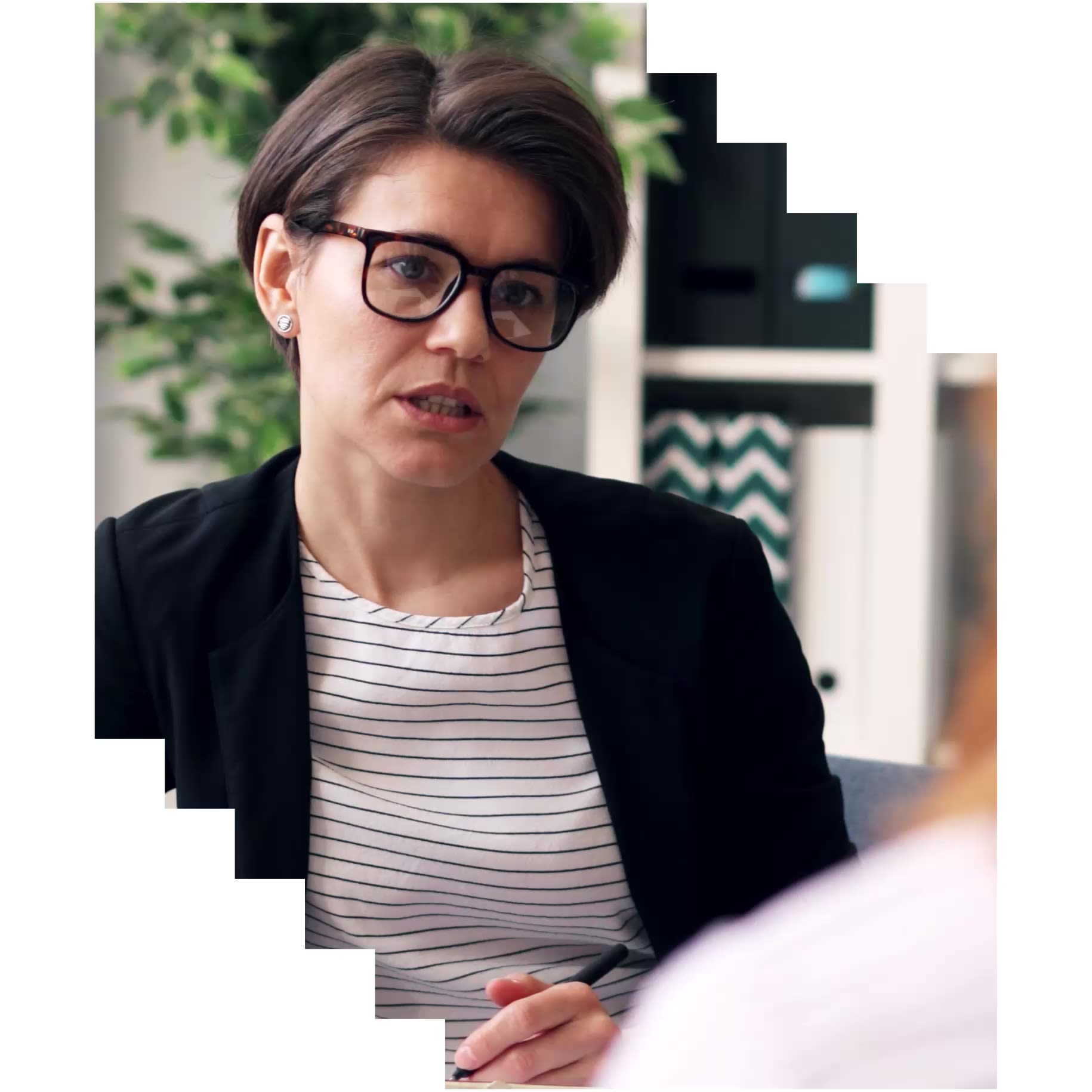
Expert assessment in action
At Sygnature Discovery, scientists needed to assess biological targets using evidence scattered across journals, patents and chemical diagrams.
Elsevier’s Reaxys platform combines connected chemistry data with precision AI and expert curation. It helps bring chemical, bioactivity and patent evidence together, using AI to surface insights buried in diagrams that are invisible to traditional text search tools. By using Reaxys, Sygnature scientists can complete work in days that used to take weeks.
Sygnature’s success with Reaxys relies on a long chain of human expertise. Elsevier’s experts curate and structure chemistry data from literature and patents so scientists can work with it reliably. That literature is created by the community of scientists Elsevier partners with and surfaced by tools shaped by human governance at every stage.
And when AI does surface a possible connection, the final link in the chain is provided by Sygnature scientists who bring their own domain knowledge to decide whether it is credible, relevant and worth pursuing.
What if the next life-saving drug is buried in a patent diagram?
Knowledge, technology and expertise in lockstep

Each element strengthens the others.
Rigorous knowledge gives AI a reliable foundation.
Precision AI makes that knowledge easier to find, connect and apply.
Expert assessment keeps human judgment in the loop.
The clinician still decides what happens to the patient. The researcher still decides which question to pursue. The R&D lead still decides which possibility is worth testing.
Our role is to give them more to work with, and greater confidence in what sits behind it.